Swim Meet Timing System
Personal project — in progress
Still working on this one. It's a browser-based swim timing app that lets coaches time swimmers from their phones and get results automatically, built with Node.js, Socket.io, and JWT auth. Data's stored in PostgreSQL through Prisma, hosted on Render, with results exporting through ExcelJS. The goal is to save coaches time on manual timing and give the team better data for practice.
Background
Smaller swim team staffs are at a disadvantage due to deciding between coaches and writing down times during main sets.
Background
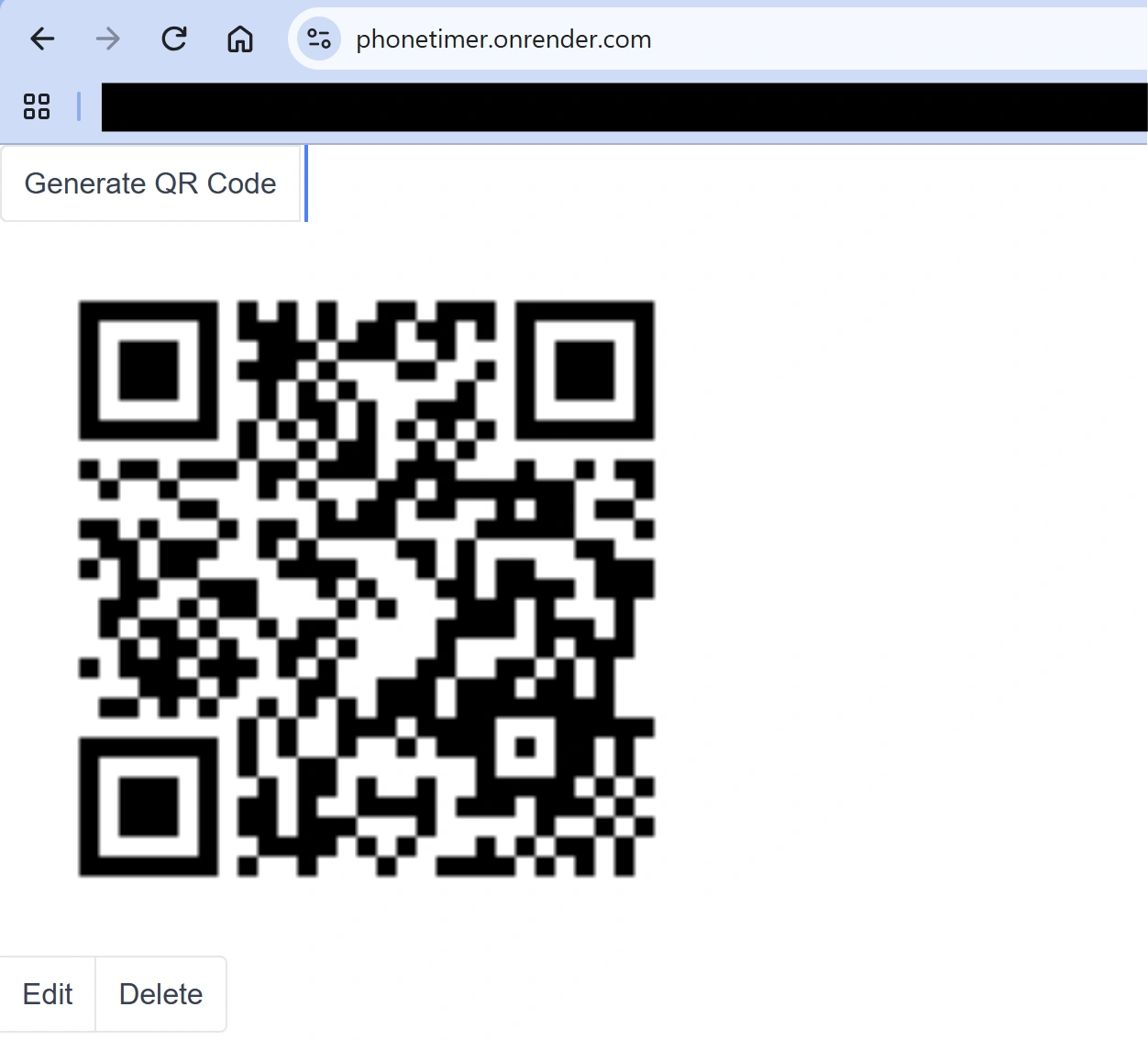
If I built a software that allowed phones to connect to a server through a QR code to a website, then swimmers could submit times on the phones alleviating stress on a coach.
Current Stage
Currently working on the connections between the postgresSQL database and renders server hosting.
Custom Microprocessor Computer System
Microprocessor System Design course
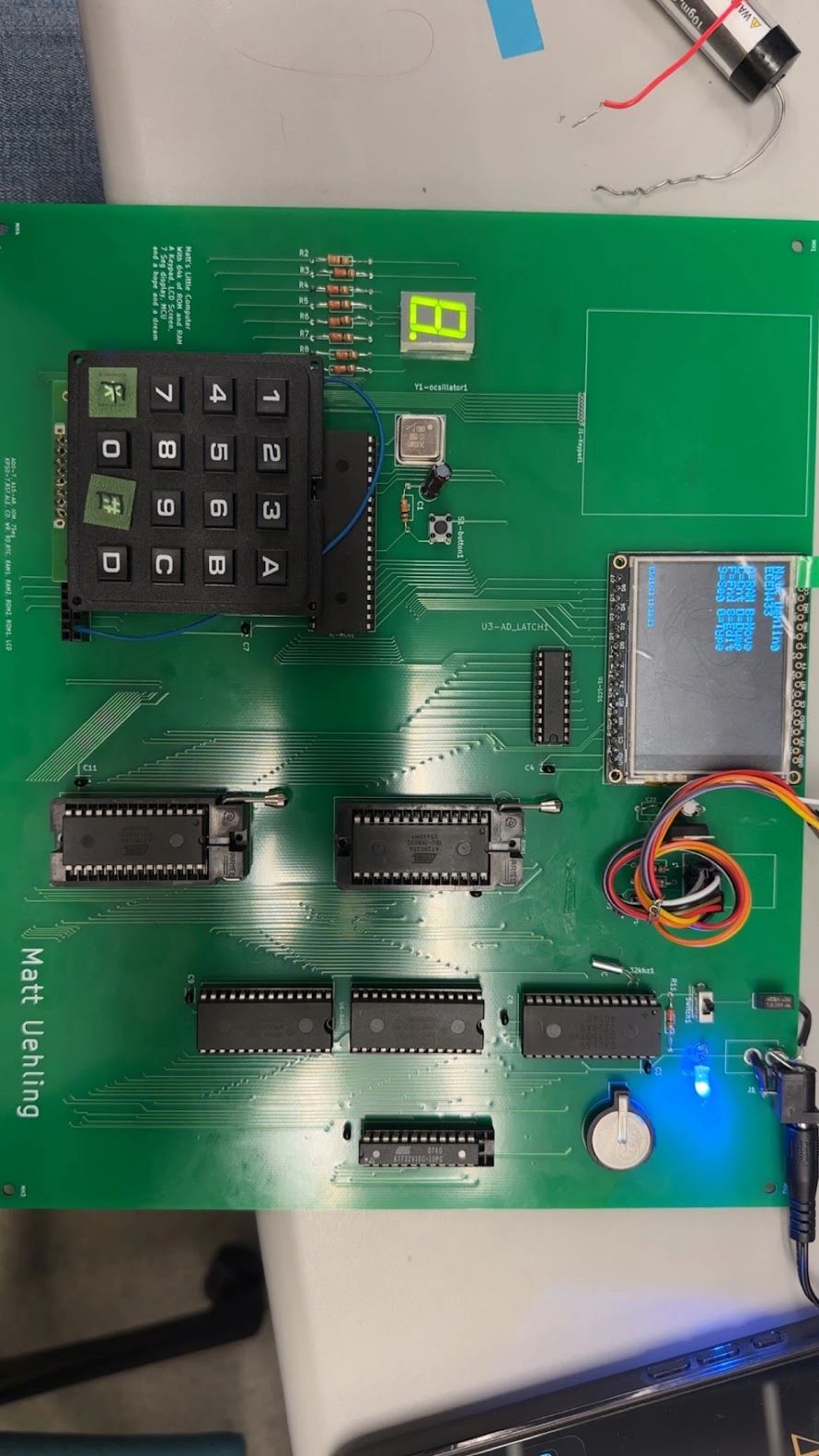
For this class I designed a computer system with 64KB of ROM/RAM, keyboard input, a 7-segment display, and a real-time clock. I built it on a breadboard first, then moved it to a PCB, developing the hardware and software side by side as the class went on.
Background
This was a project for my Microprocessor Design class. This was a semester long project that I learned the material parallel with the board building.
Outcome
The board had full functionality aside of being unable to connect to WIFI. Due to time constraints I ran out of debugging time.
Learned
Improved upon my PCB designing skills and came to a better understanding of how different components interact with each other.
Volume Modulation Distance Circuit
Assembly Language Programming course
A circuit that changes speaker volume based on distance readings from an ultrasonic sensor. I checked the waveform output on an oscilloscope and had to redo part of the PCB layout after finding some footprint errors.

Background
This was a project for my Assembly Language Programming class. It also was my first time designing a PCB.
Outcome
The breadboard version worked but the PCB has a few issues. There were a few issues with incorrect footprints and missing components that required some ad hoc soldering.
Learned
Learning the basics of board design, component selection, importance of double checking work.